
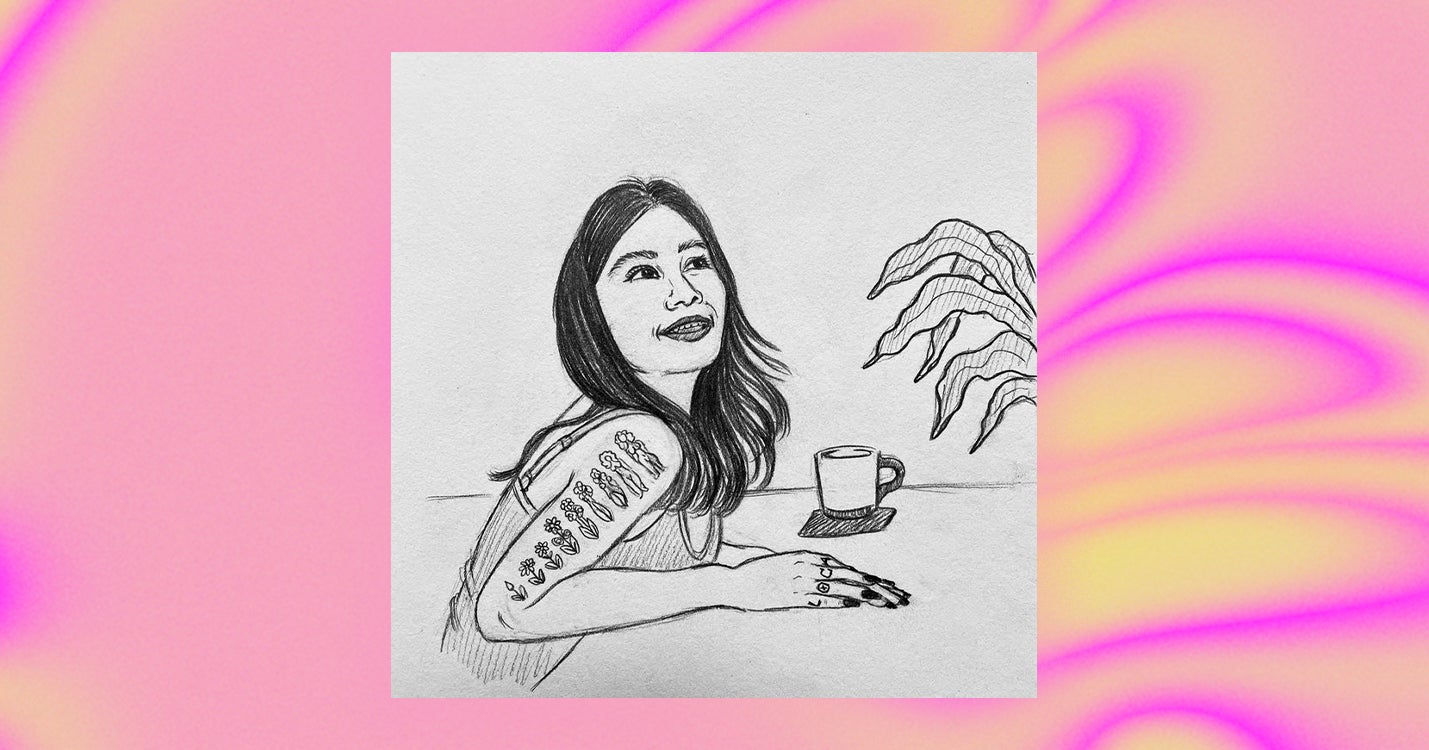

The irony is that her life is not safe because they have insisted on the rules applying to us all. If they had to yield, then so should she. She pays for daring to want a different life. People slowly shun her out of public spaces. She exists in the margins, in texts, and in secret phone calls and girls’ nights, but not in your wedding parties, baby showers, baptisms, and family reunions. And when she is invited, it is to stand in ridicule for not having done her due diligence and played her role. In my loca era I was single and over thirty, and I was treated like a threat, like I was there to steal someone’s man. As if any man is worth that effort and energy. I have found that marriage to a man has pacified the indignation; the label of loca is less easily brandished. In another lifetime I am sure I would have been burned at the stake. In this lifetime, I could have been killed at some club or even found dead after one of my many one‑night stands. I think ultimately, my marriage has been what has made me acceptable. Not my partner, specifically, but the fact that I am married to a cis hetero man. The legitimacy that a man offers me is still of value, even as much as we like to think of ourselves as beyond that. Other facts come into play also, but ultimately, between husbands I experienced a fear‑binding existence because being la tía loca who is single was dangerous, and my entire body sensed it. That thought haunts me. The idea that a heterosexual relationship is my “saving grace” sends shivers down my spine.

:quality(85):upscale()/2024/09/05/018/n/1922564/237ad54366da3e1f744211.93144035_.png) While each product featured is independently selected by our editors, we may include paid promotion. If you buy something through our links, we may earn commission. Read more about our
While each product featured is independently selected by our editors, we may include paid promotion. If you buy something through our links, we may earn commission. Read more about our